




 9810155689
 bdplus2001@yahoo.co.in

Posted By: Dr. Brahm Datt Pathak on 09 Aug 2026
A hernia develops when an internal organ or tissue pushes through a weakened area of the surrounding muscle or connective tissue. It commonly appears as a swelling or bulge in the abdomen or groin, which may become more noticeable while standing, coughing, lifting or straining.
Hernias are common, but they should not be ignored simply because the discomfort is mild. Some hernias remain relatively stable for a period of time, while others can become painful or develop complications that require urgent surgical attention.
For patients looking for hernia treatment in Faridabad, Dr. B. D. Pathak is a senior surgeon with expertise in general and laparoscopic surgery. His official profile lists hernia surgery among his services and highlights his focus on minimally invasive surgical techniques.
What Is a Hernia?
A hernia occurs when tissue, such as part of the intestine or abdominal fat, pushes through a weak point in the muscle or connective tissue that normally contains it.
The most noticeable symptom is often a visible or palpable bulge. The swelling may disappear when lying down and become more prominent with coughing, standing or physical activity.
Some people experience no significant pain initially. Others may notice:
- A swelling in the abdomen or groin
- Pain or discomfort while lifting
- A feeling of pressure or heaviness
- Burning or aching around the affected area
- Increased discomfort while coughing or sneezing
- A bulge that becomes more prominent after physical activity
A new or persistent abdominal or groin swelling should be evaluated by a qualified surgeon rather than diagnosed based on symptoms alone.
What Causes a Hernia?
A hernia usually develops because of a combination of muscle weakness and increased pressure inside the abdomen.
Factors that may contribute include:
- Congenital or naturally weak abdominal tissue
- Previous abdominal surgery
- Persistent coughing
- Chronic constipation and straining
- Heavy lifting
- Obesity
- Pregnancy
- Increasing age
- Repeated physical strain
- Previous hernia
Not everyone with these risk factors develops a hernia, and a hernia can also occur without an obvious triggering event.
What Are the Different Types of Hernia?
Hernias are classified according to where they develop.
Inguinal Hernia
An inguinal hernia occurs in the groin and is one of the most common types of abdominal wall hernia. It may appear as a groin swelling that becomes more noticeable when standing, coughing or straining.
Incisional Hernia
An incisional hernia can develop through or near a previous surgical incision. It may occur months or even years after abdominal surgery.
Umbilical Hernia
An umbilical hernia occurs around the belly button. It can affect adults as well as children.
Femoral Hernia
A femoral hernia occurs in the upper thigh or groin region. Although less common than an inguinal hernia, it deserves careful evaluation because complications can occur.
Other Abdominal Wall Hernias
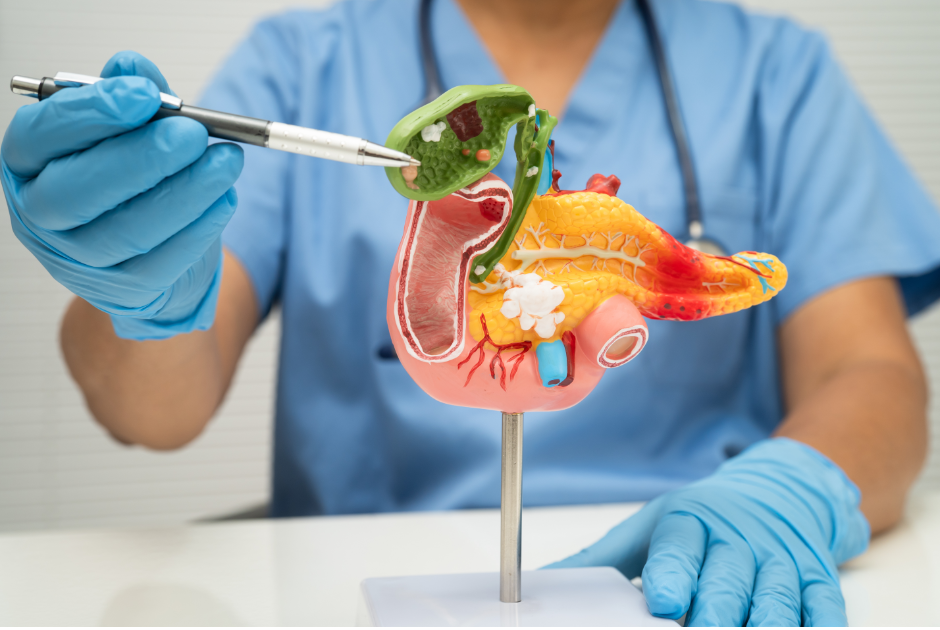
There are several less common forms of hernia, including epigastric and other abdominal wall hernias. The exact type is determined through clinical assessment and, when required, imaging.
How Is a Hernia Diagnosed?
A surgeon generally begins with a detailed medical history and physical examination. The swelling may be assessed while the patient is standing, lying down, coughing or straining.
If the diagnosis is uncertain or the hernia is difficult to examine, imaging such as an ultrasound or CT scan may sometimes be recommended.
The appropriate evaluation depends on the location, size and symptoms of the suspected hernia.
Does Every Hernia Need Surgery?
This is one of the most common questions patients ask.
Not every hernia requires immediate surgery. Management depends on factors such as:
- Type and location of the hernia
- Size of the defect
- Symptoms
- Risk of complications
- Overall health
- Previous surgeries
- Whether the hernia is increasing in size
However, a hernia generally does not permanently repair itself because the underlying weakness in the abdominal wall remains.
A surgeon can assess whether observation is reasonable or whether hernia repair surgery would be more appropriate.
When Is Hernia Surgery Recommended?
Surgery may be considered when a hernia:
- Causes persistent or increasing pain
- Interferes with normal activities
- Is becoming larger
- Causes repeated discomfort
- Is difficult to push back
- Has complications
- Presents a significant risk based on its characteristics
The decision should be individualised rather than based solely on the size of the swelling.
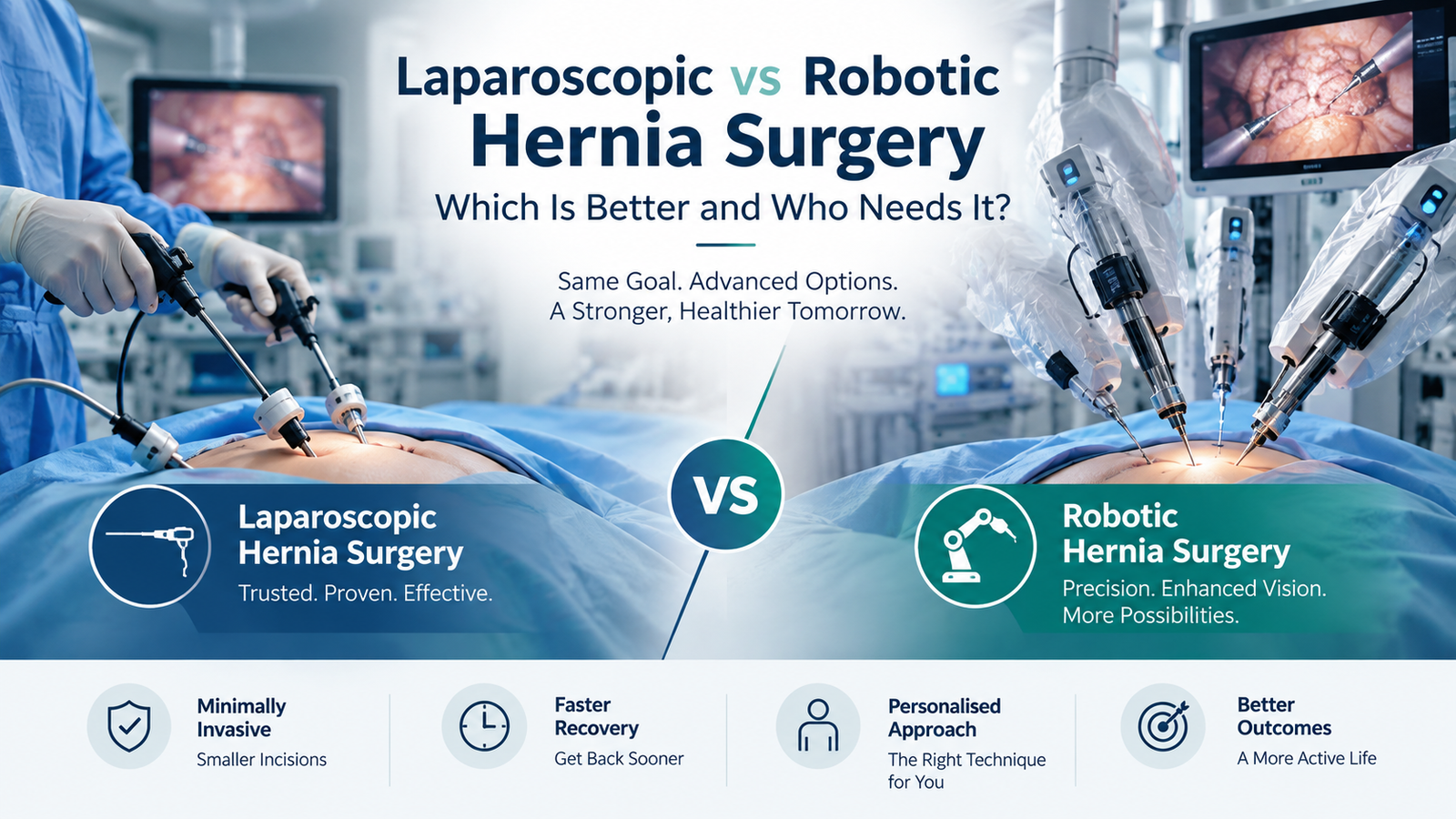
What Is Laparoscopic Hernia Surgery?
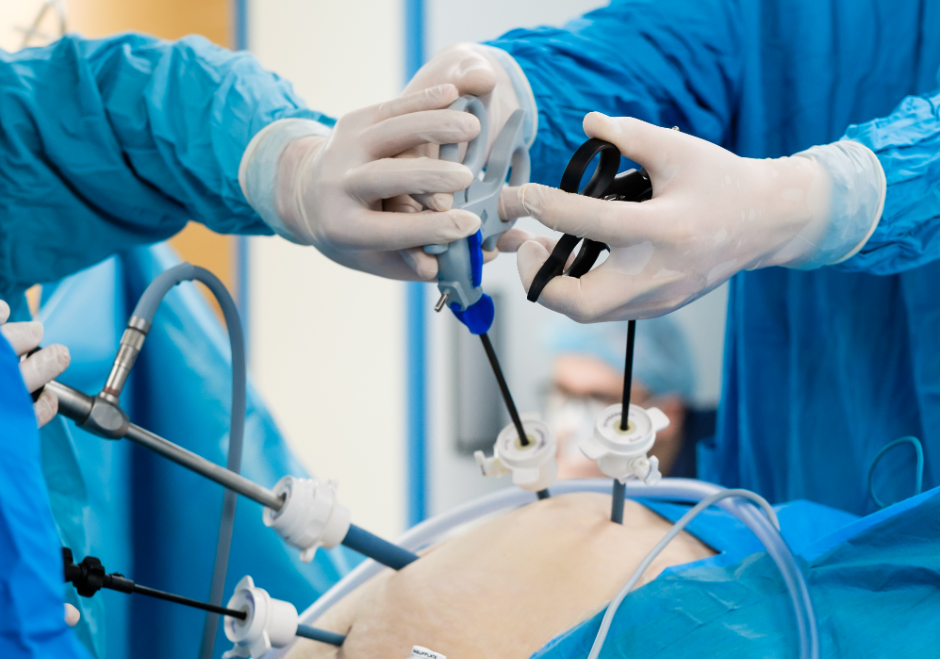
Laparoscopic hernia repair is a minimally invasive surgical approach in which the surgeon operates through small abdominal incisions using a camera and specialised instruments.
The exact technique depends on the type and location of the hernia, the patient’s previous surgical history and other clinical factors.
Compared with traditional open surgery, laparoscopic approaches may offer advantages for appropriately selected patients, although they are not suitable for every hernia.
Dr. B. D. Pathak’s official profile identifies laparoscopic surgery and hernia operations among his areas of surgical practice.
What Happens During Hernia Repair?
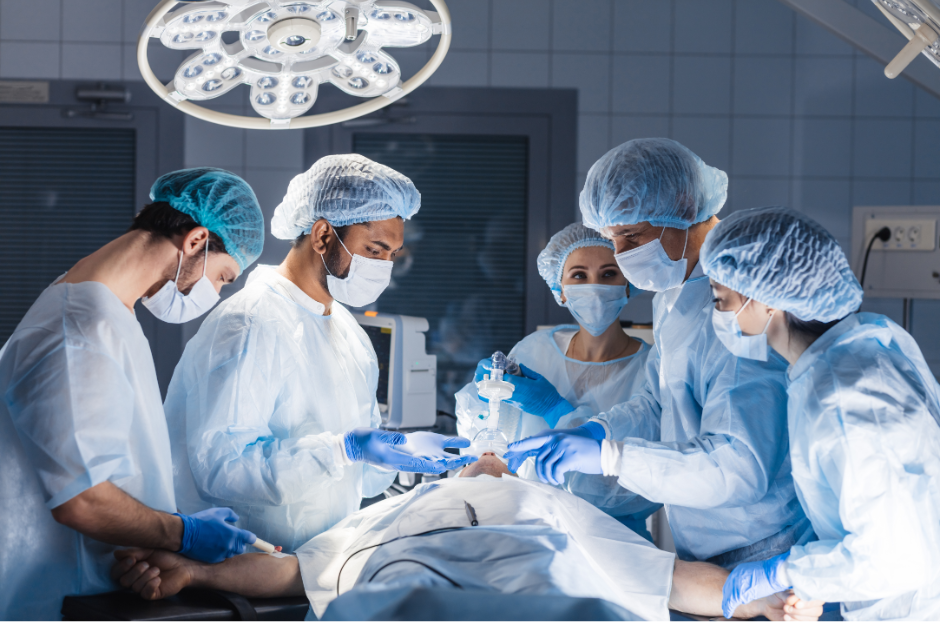
During hernia repair, the surgeon returns the protruding tissue to its appropriate position and repairs the weakened area of the abdominal wall.
In many types of hernia repair, a surgical mesh may be used to reinforce the weakened area. Whether mesh is appropriate depends on the specific hernia and the surgical technique selected.
The procedure and recovery plan are discussed with the patient before surgery.
How Long Does It Take to Recover From Hernia Surgery?
Recovery varies according to:
- Type of hernia
- Surgical technique
- Size and complexity of the repair
- General health
- Physical activity
- Whether complications occur
Many patients can gradually return to normal activities after surgery, but strenuous activity and heavy lifting may need to be restricted for a period recommended by the surgeon.
Following postoperative instructions is important for proper recovery.
What Happens If a Hernia Is Ignored?
Some hernias remain stable for a long time, but others can enlarge or become increasingly uncomfortable.
A more serious complication occurs when the contents of the hernia become trapped or their blood supply is compromised. This can cause severe pain and may require emergency treatment.
Seek urgent medical attention if a hernia is associated with:
- Sudden or severe pain
- A swelling that becomes hard or extremely tender
- A bulge that cannot be pushed back when it previously could
- Vomiting
- Significant abdominal distension
- Difficulty passing stool or gas
- Fever or other signs of serious illness
These symptoms should not be managed at home.
Can Exercise Make a Hernia Worse?
Activities that significantly increase abdominal pressure can aggravate symptoms in some people with a hernia. Heavy lifting may make a swelling more prominent or increase discomfort.
However, activity recommendations depend on the individual situation. Patients should discuss exercise and lifting restrictions with their surgeon rather than stopping all physical activity unnecessarily.
Hernia Treatment in Faridabad: When Should You See a Surgeon?
If you notice a new lump in the groin, abdomen or around a previous surgical scar, a surgical evaluation is advisable.
Dr. B. D. Pathak provides general and laparoscopic surgical care in Faridabad, with hernia operations included among the services listed on his official website. His practice profile also identifies extensive experience in laparoscopic and general surgery.
The right treatment depends on the type of hernia, symptoms, overall health and findings during examination.
Frequently Asked Questions About Hernia
Can a hernia disappear on its own?
A hernia may become less noticeable when lying down, but the underlying abdominal wall weakness generally remains. Medical evaluation helps determine the appropriate management.
Is hernia surgery painful?
Some discomfort is expected after surgery, but pain management is part of postoperative care. The amount of discomfort varies according to the procedure and individual recovery.
Is laparoscopic hernia surgery better than open surgery?
Neither technique is universally better. The appropriate approach depends on the hernia type, previous operations, patient health and the surgeon’s assessment.
Can I live with a hernia without surgery?
Some patients with small, minimally symptomatic hernias may be monitored. However, the decision should be made after assessment by a surgeon.
Can a hernia come back after surgery?
Recurrence is possible after hernia repair. Risk depends on factors such as the type of hernia, surgical technique, tissue quality, smoking, obesity and other patient-specific factors.
Key Takeaway
A hernia should not be ignored simply because it causes little pain. Early evaluation can help identify the type of hernia and determine whether monitoring or surgical repair is appropriate.
For patients seeking hernia treatment in Faridabad or laparoscopic hernia surgery in Faridabad, Dr. B. D. Pathak’s surgical practice includes general, laparoscopic and hernia procedures.



 WhatsApp Us