




 9810155689
 bdplus2001@yahoo.co.in
Posted By: Dr. Brahm Datt Pathak on 09 Aug 2026
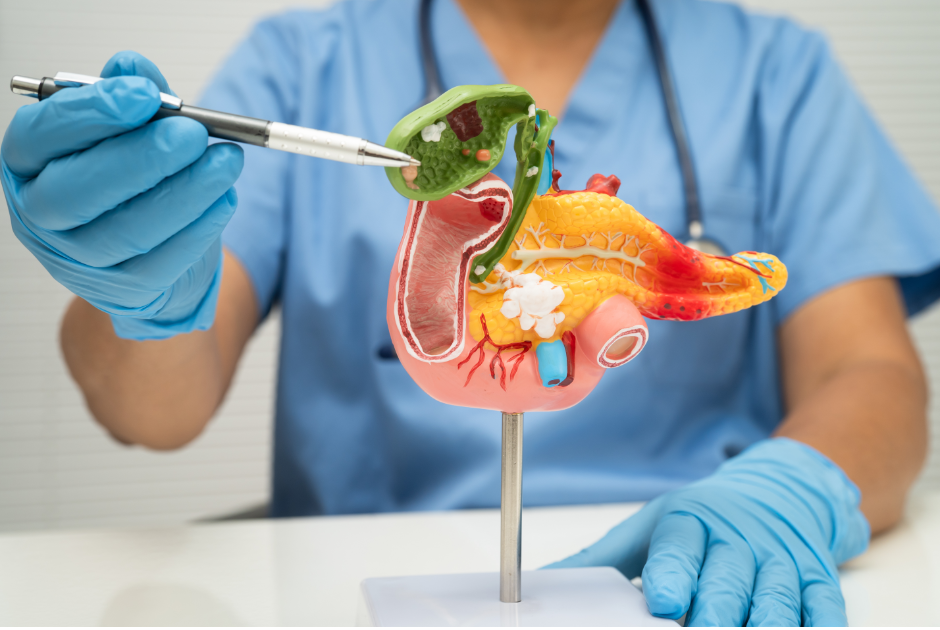
Gallbladder stones, also called gallstones, are hardened deposits that develop inside the gallbladder. Some people have gallstones without experiencing any symptoms, while others develop episodes of abdominal pain, nausea, vomiting or complications involving the gallbladder and bile ducts.
Because symptoms can overlap with other digestive conditions, persistent or severe abdominal pain should be properly evaluated rather than automatically attributed to “gas” or indigestion.
For patients looking for gallbladder stone treatment in Faridabad, Dr. B. D. Pathak has a documented focus on laparoscopic and GI surgery. Fortis Healthcare specifically lists laparoscopic surgery for gallbladder among his areas of surgical expertise.
What Are Gallstones?
Gallstones are solid particles that form from substances present in bile.
They can vary considerably in size, from very small particles to larger stones. Some people develop a single stone, while others may have multiple stones.
The presence of gallstones does not always mean surgery is required. Treatment depends mainly on whether the stones are causing symptoms or complications.
What Causes Gallstones?
Gallstones can form when there is an imbalance in the substances that make up bile or when the gallbladder does not empty normally.
Several factors can increase the likelihood of gallstone formation, including:
- Increasing age
- Female sex
- Family history
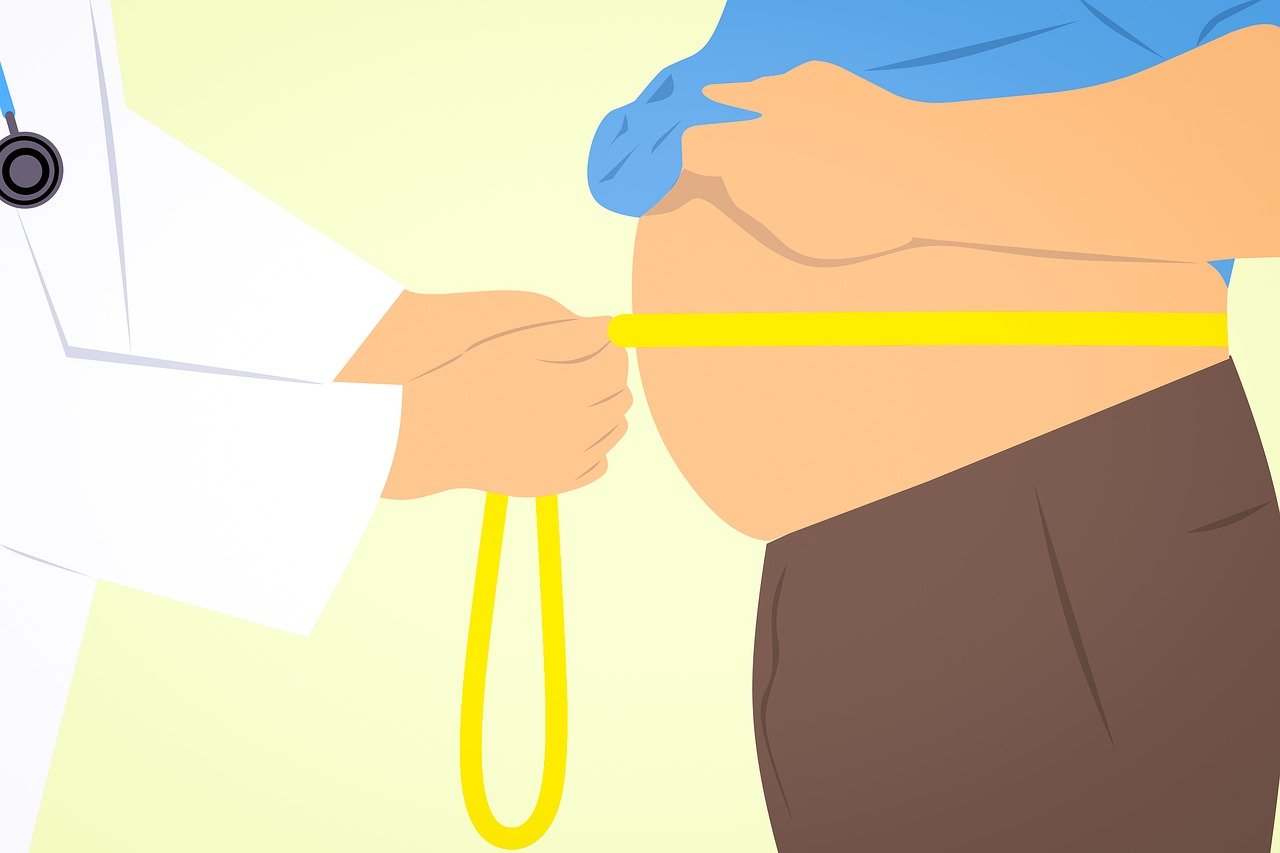
- Obesity
- Rapid weight loss
- Certain metabolic conditions
- Pregnancy
- Some medications
- Previous gallbladder problems
Having a risk factor does not necessarily mean a person will develop gallstones.
What Are the Symptoms of Gallstones?
Many gallstones are discovered incidentally during an ultrasound or other imaging test.
When gallstones cause symptoms, patients may experience:
- Pain in the upper right or upper middle abdomen
- Pain after meals, particularly heavy or fatty meals
- Pain that may radiate toward the back or right shoulder
- Nausea
- Vomiting
- Abdominal discomfort
- Bloating or indigestion-like symptoms
Gallbladder pain can sometimes be confused with acidity or other digestive problems.
What Does Gallbladder Stone Pain Feel Like?
Gallstone pain can be a steady or intense discomfort in the upper right side or upper middle part of the abdomen.
It may occur after eating and can last for a significant period rather than behaving like brief episodes of ordinary indigestion.
Pain severity varies, so symptoms alone cannot confirm gallstones.
Can Gallstones Exist Without Symptoms?
Yes.
Gallstones can be completely asymptomatic and may be discovered accidentally during an abdominal ultrasound performed for another reason.
These are sometimes referred to as silent gallstones.
Not every person with silent gallstones requires surgery. Management depends on the individual’s circumstances and risk factors.
How Are Gallstones Diagnosed?
An abdominal ultrasound is commonly used to detect gallstones and assess the gallbladder.
Depending on symptoms and clinical findings, additional tests may sometimes be required to evaluate the bile ducts, liver or pancreas.
A surgeon may consider:
- Symptoms
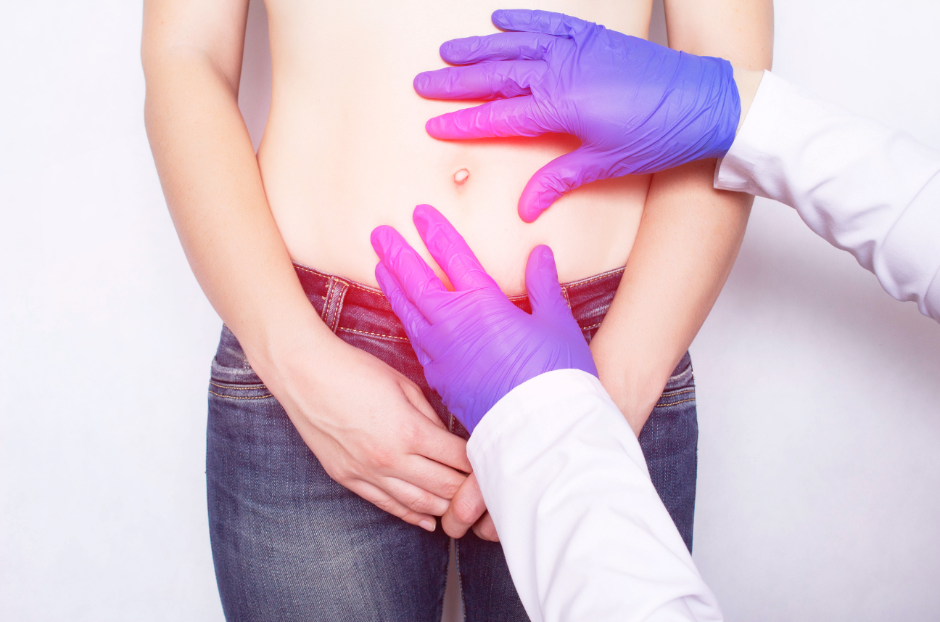
- Physical examination
- Ultrasound findings
- Blood tests
- Other imaging
- Evidence of gallbladder or bile duct complications
The diagnosis should therefore be based on the complete clinical picture.
When Do Gallstones Need Treatment?
Treatment depends on whether gallstones are causing symptoms or complications.
A person with incidental, symptom-free gallstones may not necessarily need immediate surgery.
Surgery may be recommended when gallstones are associated with problems such as:
- Recurrent biliary pain
- Acute or chronic inflammation of the gallbladder
- Complications involving the bile ducts
- Gallstone-related pancreatitis
- Other clinically significant gallbladder disease
The treatment decision should be made after proper evaluation.
What Is Laparoscopic Gallbladder Surgery?
The standard surgical treatment for symptomatic gallbladder stones is often laparoscopic cholecystectomy, which involves removing the gallbladder through minimally invasive surgery.
Rather than removing only the stones, the gallbladder is generally removed because stones can recur if the gallbladder remains.
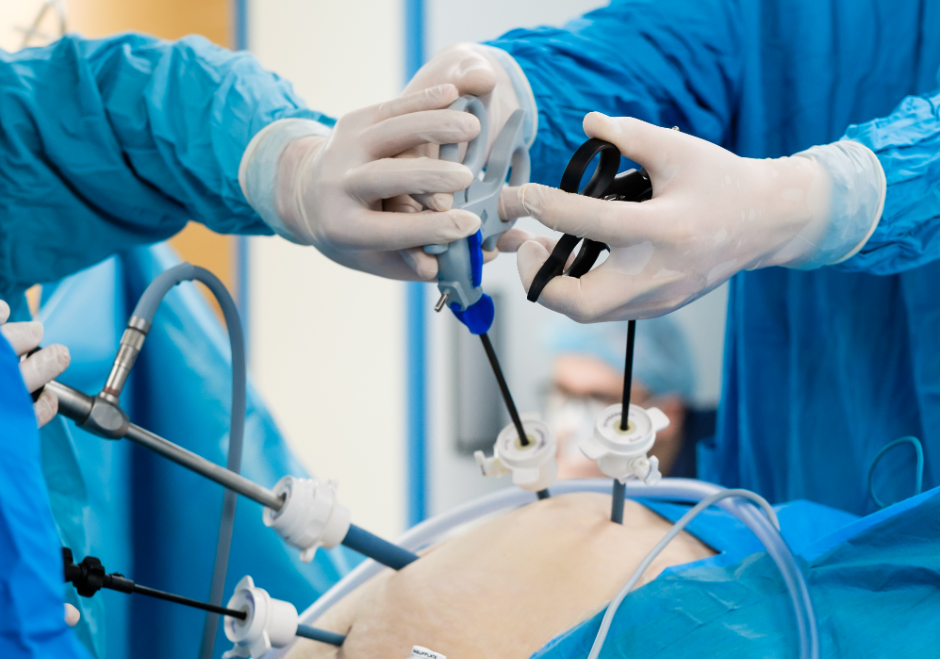
During laparoscopic surgery, the surgeon uses a camera and specialised instruments inserted through small incisions.
Dr. B. D. Pathak’s Fortis profile specifically lists laparoscopic surgery for gallbladder among his surgical expertise.
What Happens During Laparoscopic Gallbladder Surgery?
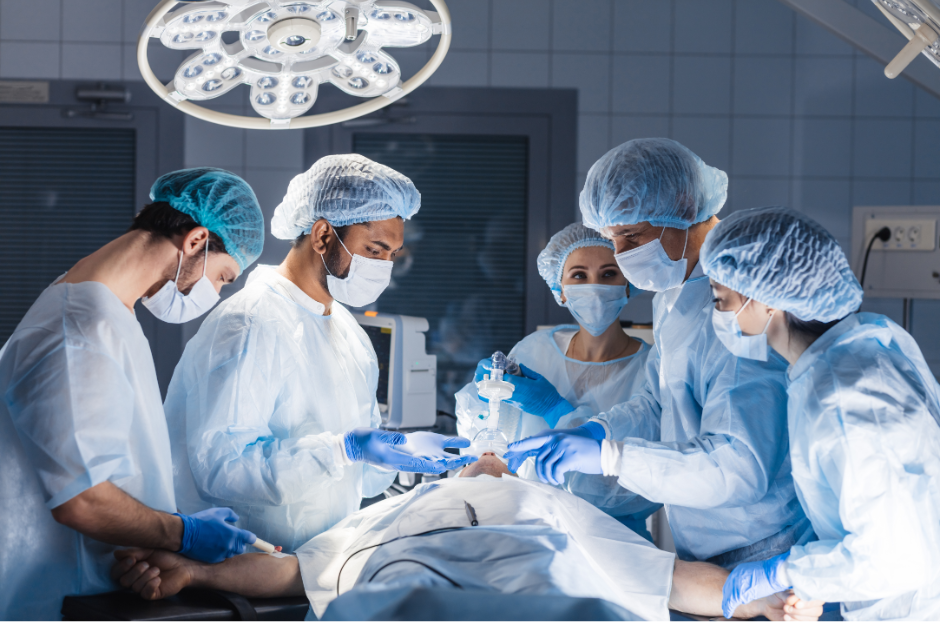
After appropriate anaesthesia, small incisions are made in the abdomen.
A camera is inserted to provide a view of the surgical area. Specialised instruments are then used to carefully identify and divide the structures connected to the gallbladder before removing it.
The procedure is performed under controlled surgical conditions, with the exact approach depending on the patient’s anatomy and clinical situation.
Can Gallstones Be Removed Without Removing the Gallbladder?
In most cases where surgery is required for symptomatic gallstones, the standard surgical approach is removal of the gallbladder rather than simply removing individual stones.
This is because the gallbladder is where stones form, and leaving it in place may allow stones to develop again.
However, treatment is not identical for every patient. Special situations, such as stones located in the common bile duct, may require different endoscopic or surgical management.
What Happens If a Gallstone Blocks the Bile Duct?
A stone can sometimes move from the gallbladder into the bile duct and cause obstruction.
This may result in:
- Jaundice
- Dark urine
- Pale stools
- Abdominal pain
- Fever
- Chills
- Abnormal liver tests
A blocked bile duct can become serious and requires medical assessment.
Can Gallstones Cause Pancreatitis?
Yes.
A gallstone can block the normal flow of digestive secretions near the pancreatic duct and contribute to acute pancreatitis.
Severe upper abdominal pain, particularly when accompanied by repeated vomiting or other concerning symptoms, requires prompt medical evaluation.
Can Diet Dissolve Gallstones?
Dietary changes may help reduce certain digestive symptoms and can be beneficial for overall health, but diet does not reliably dissolve established gallstones.
Patients with known gallstones should not rely on internet remedies or “gallbladder cleanses” as substitutes for medical evaluation.
If symptoms are recurring, the underlying cause should be assessed.
What Should You Eat If You Have Gallstones?
There is no single diet that works for every patient.
Some people find that symptoms are triggered by heavy or high-fat meals. A balanced diet with appropriate portions may help reduce digestive discomfort.
Depending on your individual condition, a doctor may recommend:
- Smaller meals
- Adequate fibre
- Appropriate hydration
- Limiting foods that repeatedly trigger symptoms
- Avoiding crash diets or very rapid weight loss
Dietary advice should complement, not replace, appropriate medical treatment.
How Long Is Recovery After Laparoscopic Gallbladder Surgery?
Recovery varies between patients.
Because laparoscopic surgery uses smaller incisions, recovery can often be quicker than with traditional open abdominal surgery in appropriately selected cases.
However, the actual recovery timeline depends on:
- Overall health
- Surgical findings
- Whether the surgery was uncomplicated
- Physical activity
- Type of work
- Postoperative recovery
Your surgeon will provide individual instructions regarding diet, activity, wound care and follow-up.
Can You Live Normally Without a Gallbladder?
Yes.
The gallbladder stores bile, but the liver continues to produce bile after gallbladder removal.
After surgery, bile flows directly from the liver into the digestive system. Most people can return to a normal diet and routine after recovery, although some patients may experience temporary digestive changes.
When Should You Seek Urgent Medical Care?
Gallbladder symptoms should receive urgent medical attention when accompanied by:
- Severe or persistent abdominal pain
- Fever or chills
- Yellowing of the skin or eyes
- Repeated vomiting
- Severe weakness
- Dark urine with jaundice
- Significant abdominal tenderness
These symptoms may indicate inflammation, infection, bile duct obstruction or another condition requiring prompt treatment.
Gallbladder Stone Treatment in Faridabad
Patients with recurrent abdominal pain or diagnosed gallstones should have their condition assessed by an experienced surgeon.
Dr. B. D. Pathak is listed by Fortis Healthcare as Senior Director – GI, Minimal Access & Bariatric Surgery at Fortis Faridabad, with laparoscopic gallbladder surgery among his areas of expertise. His official website also lists hepatobiliary and GI disorders and laparoscopic surgery among his services.
Treatment is not based solely on the presence of stones. The symptoms, ultrasound findings, overall health and possible complications all need to be considered.
Frequently Asked Questions About Gallstones
Are gallstones dangerous?
Gallstones may remain harmless when they cause no symptoms, but symptomatic stones can lead to complications involving the gallbladder, bile ducts or pancreas.
Do all gallstones require surgery?
No. Treatment depends on whether the stones are symptomatic or associated with complications.
What is the best treatment for symptomatic gallstones?
When gallstones cause recurrent symptoms or complications, laparoscopic gallbladder removal is commonly considered. The appropriate treatment should be decided after surgical evaluation.
Can gallstones come back after gallbladder removal?
The gallbladder itself is removed during cholecystectomy, so gallstones cannot form inside it afterward. However, stones can occasionally be present or develop in the bile ducts, which is a different situation.
Is laparoscopic gallbladder surgery safe?
Laparoscopic cholecystectomy is an established surgical procedure, but like every operation, it carries potential risks. A surgeon evaluates the patient’s health and anatomy before recommending surgery.
Can gallstones be treated with medicines?
Certain medicines may have a role in selected situations, but they are not appropriate for every patient and do not replace surgery when symptomatic gallbladder disease requires definitive treatment.
Final Takeaway
Gallstones are common, but their significance depends on symptoms and complications. A person with no symptoms may not need immediate intervention, while recurrent pain, gallbladder inflammation, bile duct obstruction or pancreatitis may require active treatment.
If you are searching for gallbladder stone treatment in Faridabad, laparoscopic gallbladder surgery in Faridabad or a laparoscopic surgeon for gallstones, a detailed evaluation can help determine the safest and most appropriate treatment.
Related search terms: gallbladder stone treatment in Faridabad, gallstones treatment, gallbladder surgery in Faridabad, laparoscopic gallbladder surgery, laparoscopic cholecystectomy, gallstone symptoms, gallbladder stone removal, gallbladder surgeon in Faridabad, Dr B D Pathak gallbladder surgery.



 WhatsApp Us